
Description
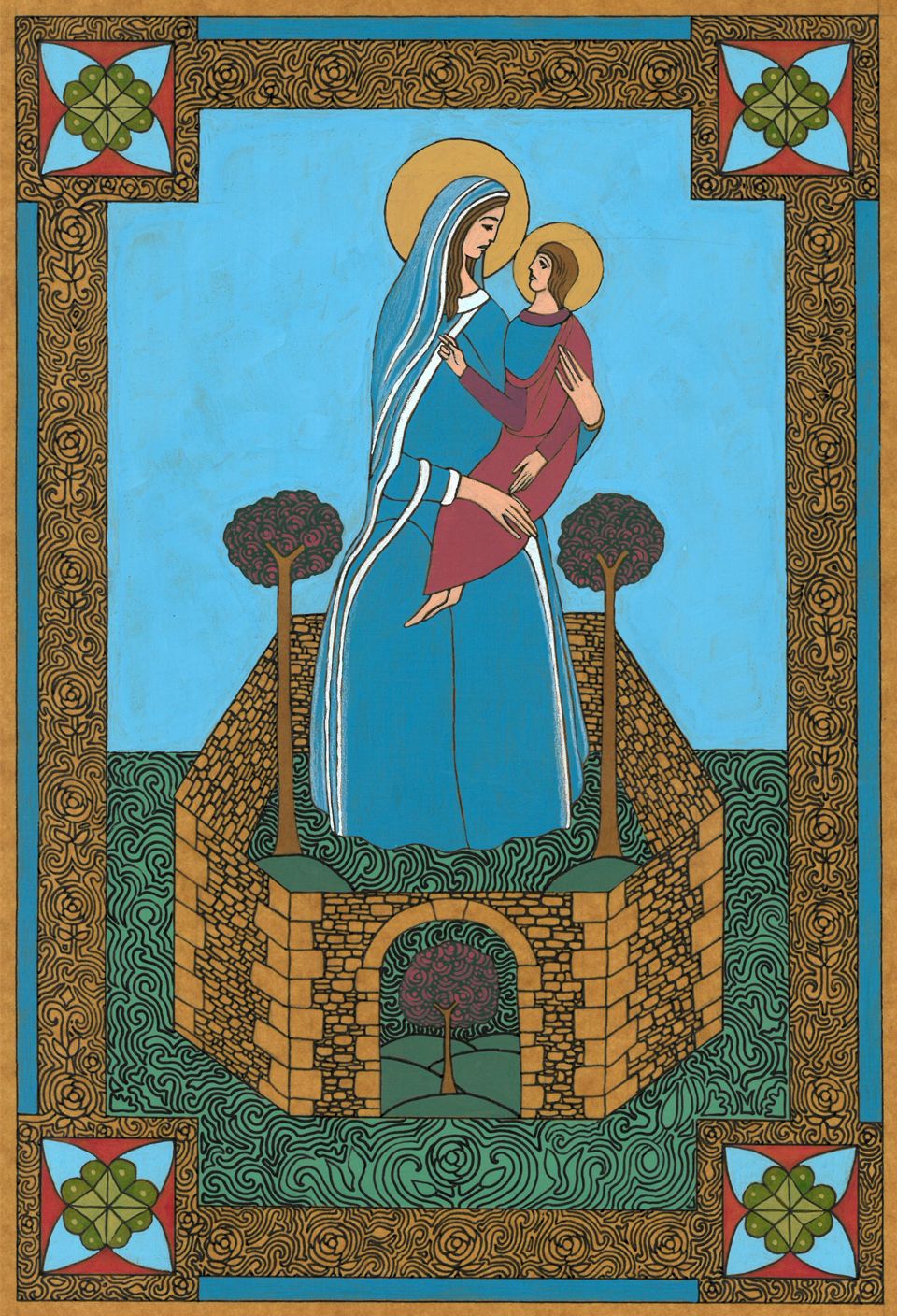
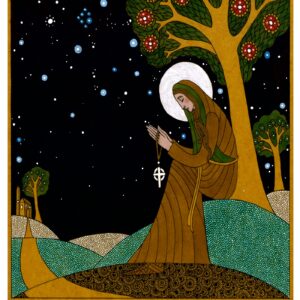
Hortus Conclusus.
Fine art print.
A4. 8.3 x 11.7 inches
All prints are signed by the artist
“Hortus Conclusus,” Latin for “enclosed garden,” is a concept that has been prevalent in many cultures throughout history. This term refers to a secluded and protected garden, often used as a metaphor for virginity or purity. In medieval Europe, hortus conclusus gardens were seen as symbols of Mary, the Virgin Mother of Jesus, who was often depicted within a walled garden in religious art. These gardens were also commonly featured in literature and poetry, representing a place of peace and spiritual refuge.
The hortus conclusus was not only a physical garden, but also a symbol of the spiritual and emotional boundaries that people sought to maintain in their lives. It served as a reminder of the importance of protecting oneself from negative influences and temptations, and of maintaining a sense of inner purity and virtue. In this sense, the enclosed garden was a powerful metaphor for the human desire for solace and serenity in a world filled with turmoil and uncertainty.
Today, the concept of the hortus conclusus continues to resonate with many people as a reminder of the importance of creating boundaries and safe spaces in our lives. While physical gardens may not be as common as they once were, the idea of cultivating inner peace and maintaining emotional boundaries remains as relevant as ever. In a world filled with distractions and challenges, the hortus conclusus serves as a powerful symbol of the human need for sanctuary and protection in both a physical and spiritual sense.
The Hortus Conclusus, or “Enclosed Garden,” is a richly layered symbol that blossomed from its biblical roots in the Song of Songs into a central motif in Medieval and Renaissance art, theology, and literature. Its primary and most enduring meaning is as a symbol of the Virgin Mary. The sealed and inviolate garden, often depicted with a high wall, lush flowers, a fountain, and a unicorn, became a perfect visual metaphor for Mary’s perpetual virginity, purity, and her soul as a sacred space untouched by sin. It represented the mystical union between the divine and the human, where Christ, the “flower of the field,” could take root.
Beyond this Marian emblem, the Hortus Conclusus functions as a powerful archetype of spiritual sanctuary and the soul’s interiority. The walls are not merely barriers of exclusion but are protective boundaries that define a space set apart from the chaos, temptation, and corruption of the outside world—the mundus or wilderness. Within this curated enclosure, a perfected, harmonious nature thrives under careful stewardship, symbolizing the soul cultivated through virtue, prayer, and contemplation. It is a Paradise regained, a microcosm of Eden before the Fall, where humanity exists in a state of grace and ordered beauty.
This symbolism extends into the realm of courtly love and secular allegory. In literature like the Roman de la Rose, the enclosed garden becomes the object of the lover’s quest, representing the idealized, often unattainable beloved. Its gate must be unlocked, its walls traversed through devotion and ritual. Here, the garden signifies not just physical purity but also the integrity and mystery of the individual self, a private psychological or emotional landscape that can only be entered through invitation and genuine connection.
Ultimately, the Hortus Conclusus is a profound symbol of contained potential and generative solitude. It is a womb-like space where life, inspiration, and spiritual insight are nurtured in safety before being brought forth into the world. It champions the idea that true fertility—of spirit, of art, of love—requires a protected space for growth. In an age of constant exposure and noise, the ancient symbol of the walled garden endures as a potent reminder of the necessity for inward retreat, the cultivation of an inner sanctum where the most precious aspects of our humanity can take root and flourish.
Reviews
There are no reviews yet.