Description
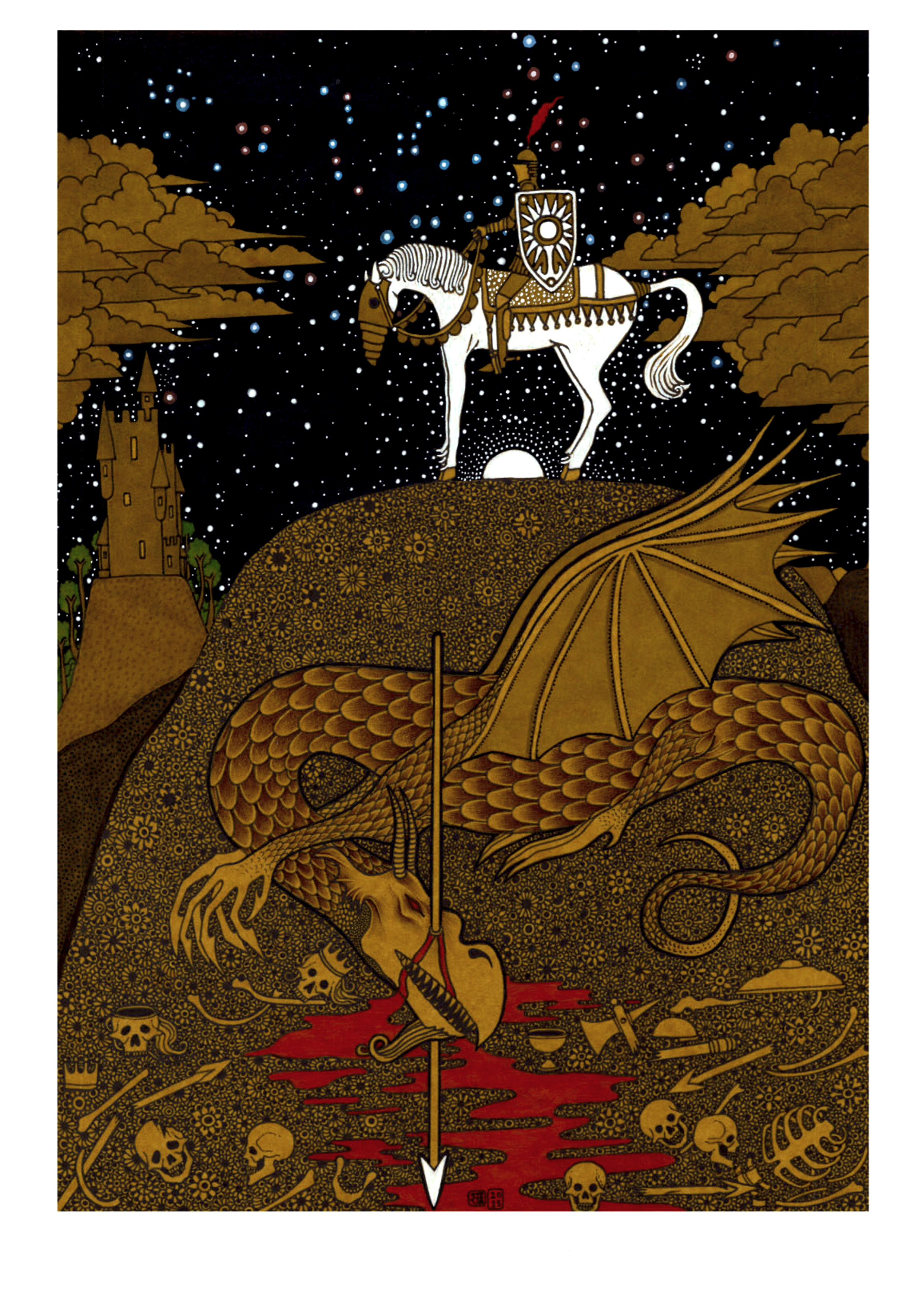
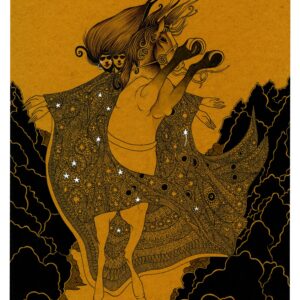
Dragon slayer.
Fine art print.
A4. 8.3 X 11.7 inches
Signed by the artist.
A symbolic representation of the power of good over evil. Inspired by saint George and the dragon.
The original work was created with ink on oil paper. Now available as a print.
The image of the dragon slayer holds a significant amount of symbolism in various cultures and mythologies. Throughout history, the dragon has often been portrayed as a symbol of power, chaos, and evil. Therefore, the dragon slayer is seen as a hero who possesses the courage and strength to confront and conquer these malevolent forces. In many stories, the dragon slayer represents the triumph of good over evil, showcasing the eternal struggle between light and darkness.
The act of slaying a dragon is often viewed as a metaphor for overcoming personal obstacles and confronting one’s inner demons. The dragon can symbolize fear, greed, or any other negative aspect of one’s psyche that must be conquered in order to achieve personal growth and self-realization. By defeating the dragon, the hero not only saves his kingdom or people, but also gains a greater understanding of himself and his place in the world. In this way, the dragon slayer becomes a symbol of bravery, inner strength, and self-discovery.
In contemporary literature and media, the dragon slayer archetype continues to be a popular motif, representing the human capacity for courage and heroism in the face of adversity. The dragon slayer serves as a reminder that we all have the ability to face our fears and overcome challenges, no matter how daunting they may seem. Ultimately, the symbolism of the dragon slayer teaches us valuable lessons about resilience, determination, and the power of the human spirit to triumph over darkness.
The dragon-slayer archetype is one of humanity’s oldest and most resonant symbols, representing far more than a simple tale of conquest. At its core, the dragon embodies primal, chaotic, and overwhelming forces. It is the untamed wilderness, the uncontrollable id, the hoarder of treasure (or virgins), and a monstrous guardian of a sacred threshold. To slay the dragon, therefore, is not an act of mere violence, but a profound, transformative ordeal of confronting the ultimate adversary—often a reflection of the hero’s own deepest fears or the accumulated ills of society.
Symbolically, the act of slaying represents the triumph of consciousness over chaos, order over entropy, and the human spirit over annihilation. The hero—whether a mythic figure like Sigurd or St. George, or a modern equivalent—must descend into the dragon’s territory, a liminal space of danger and potential. The battle is an alchemical process; through courageous engagement, the hero integrates the dragon’s power. The hoard is liberated, the captive freed, and the land healed. The treasure gained is not merely gold, but wisdom, sovereignty, or a renewed sense of self.
In psychological terms, the dragon is the shadow self—the repressed, feared, or denied aspects of the psyche. The slayer’s journey is one of individuation, forcing an encounter with these dark elements to achieve wholeness. The dragon’s death is thus a kind of sacred sacrifice, making way for new growth. However, the symbol also carries a warning: the slayer who takes the dragon’s place upon the hoard, who becomes consumed by the very greed or tyranny they fought, risks becoming the new monster. The true victory lies not in the killing, but in the redemption and new order it makes possible, transforming raw, destructive power into a foundation for civilization and enlightened selfhood.
Reviews
There are no reviews yet.